Modern Abstract Leaf Wall Panel Design: Beyond Basic Botanicals
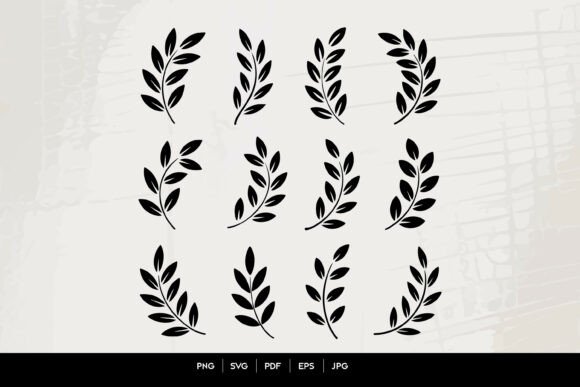
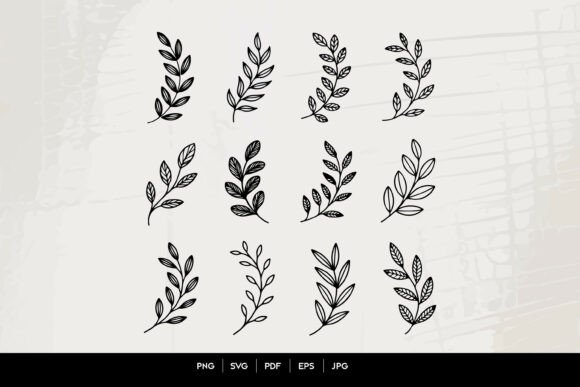
When you first encounter a Modern Abstract Leaf Wall Panel Design, it doesn’t immediately scream "nature." Instead, it whispers it. It takes the organic, chaotic beauty of a fern, a monstera, or a eucalyptus branch and distills it into something architectural. We aren't talking about literal photographic prints here; we are discussing a specific aesthetic that merges biology with geometry. This style of botanical wall art vector work is defined by clean lines, negative space, and a deliberate simplification of natural forms. It is the difference between a sketch in a field journal and a blueprint for a skyscraper. The personality of these designs is confident, serene, and uncluttered. They offer the calming influence of nature without the visual noise of a dense forest, making them a staple in modern botanical decor.
The appeal lies in the versatility of the silhouette. By stripping away the intricate textures of a real leaf and focusing on the outline—the "leaf silhouette"—the design becomes a universal language. It fits into a Scandi-minimalist living room just as easily as it does a boho-chic studio or a high-end spa lobby. For designers, this is a dream scenario. You are working with a premium design asset that carries emotional weight (growth, life, renewal) but maintains the rigidity and structure required for professional home interiors and commercial installations.
The Anatomy of the Aesthetic: Why "Abstract" Matters
In the world of creative design assets, the term "abstract" is often overused. However, in the context of a Modern Abstract Leaf Wall Panel Design, it serves a critical functional purpose. Realism in design can often feel dated or overly specific. An abstract approach, however, focuses on the gesture of the plant. It captures the curve of a stem or the sharp angle of a leaf tip, turning the organic into the geometric.
This style relies heavily on visual hierarchy. Because the shapes are simplified, the eye isn't overwhelmed by detail. Instead, the viewer appreciates the negative space—the empty space between the branches or leaves. This is vital for interior design and editorial design. When you place a complex, realistic botanical print next to text or furniture, it competes for attention. An abstract leaf panel, however, acts as a supportive frame. It creates a backdrop that is interesting enough to be art but restrained enough not to dominate the room or the page.
Furthermore, the "panel" aspect implies structure. Whether you are looking at laser cut leaf panels or vinyl wall decals, the design is usually built to be modular. This allows for repeatable patterns or large-scale installations where the design tiles seamlessly. It’s a modern typography mindset applied to illustration: treating the leaf as a glyph or a character in an alphabet of nature.
From Digital File to Tangible Product
For the maker community—specifically those using Cricut or Silhouette machines—the value of a Modern Abstract Leaf Wall Panel Design is in the cuttability. Nature is messy. Real leaves have jagged edges, holes, and thin veins that can cause tearing when cutting vinyl, cardstock, or heat transfer vinyl (HTV). An abstract design smooths these out. It turns a fragile biological structure into a robust vector artwork that can be scaled infinitely without losing resolution.
Consider the practical application in packaging design or brand identity. If you are a small business owner creating a logo for a wellness brand, a tea shop, or a sustainable clothing line, you need a mark that reproduces well at tiny sizes on a business card and massive sizes on a storefront window. A highly detailed botanical illustration might turn into a smudge when printed small. A minimalist leaf artwork vector retains its clarity. This is where the file format matters. Having access to SVG, PNG, EPS, DXF, and JPG formats ensures that whether you are screen printing a tote bag, engraving wood, or uploading a hero image to a website, the integrity of the design remains intact.
Strategic Applications for Creators and Brands
How do you actually use these assets to elevate your work? It comes down to context and medium.
- For Laser Cutting and 3D Fabrication: The clean lines of abstract foliage decor are perfect for laser cutting wood, acrylic, or metal. You can create intricate room dividers, privacy screens, or decorative acoustic panels. The "abstract" nature allows for thicker structural lines that won't snap during the cutting process, ensuring durability for metal wall art or wood panels.
- Digital and Social Media Branding: On Instagram or Pinterest, visual consistency is king. Using a botanical wall art vector as a recurring motif in your stories or post backgrounds creates a cohesive feed. It adds a touch of organic modernism to digital spaces that often feel cold and sterile.
- Stationery and Editorial Layouts: In editorial design, such as magazine headers or book chapter dividers, a leaf silhouette panel can guide the reader's eye. It breaks up text blocks without using heavy graphic lines, maintaining a flow that is conducive to reading.
- Apparel and Merchandise: For print-on-demand businesses, modern plant wall art translates exceptionally well to embroidery. The simplified shapes mean fewer thread changes and cleaner stitch-outs on hoodies, hats, and tote bags.
Evaluating Quality and Usability
Not all vector files are created equal. When sourcing a Modern Abstract Leaf Wall Panel Design, look for "clean vector paths." This means the illustrator hasn't just auto-traced a low-resolution image, which results in bumpy, jagged lines. A professional design will have smooth Bézier curves and optimized anchor points. This is technical, but it matters. A file with 10,000 anchor points will slow down your software and cut poorly. A file with optimized nodes will slice like butter through paper.
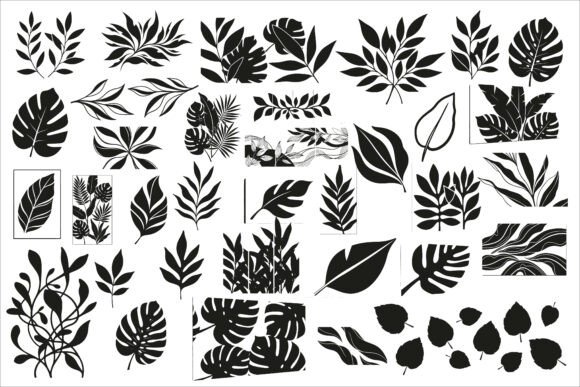
Look for bundles that offer variety—often labeled as a botanical panel bundle or leaf wall art bundle. A single leaf shape is limiting. A bundle that offers different arrangements—vertical vines, circular wreaths, and corner accents—gives you the toolkit to solve multiple design problems with a single aesthetic family. This ensures brand consistency across different formats, from a square Instagram post to a tall vertical banner.
The Psychological Impact of Biophilic Design
Why does this specific style resonate so deeply with audiences right now? We are living in an era of biophilic design—the concept that humans have an innate tendency to seek connections with nature. However, we also crave the order of modern life. The Modern Abstract Leaf Wall Panel Design sits at the intersection of these two desires.
It provides the psychological comfort of nature (reducing stress, increasing focus) while satisfying our need for order and minimalism. For a marketer or brand strategist, this is a powerful tool. Using these designs in a brand identity subconsciously signals to the customer that the brand is grounded, organic, and trustworthy, yet modern and forward-thinking. It avoids the clichés of "earthy" design that can sometimes look amateurish, replacing them with a sophisticated, architectural take on the environment.
Ultimately, this design style is a bridge. It connects the raw beauty of the outdoors with the polished requirements of professional design. Whether you are cutting it out of walnut for a wall installation or using it as a watermark on a digital invoice, it brings a piece of the natural world into your work in a way that feels intentional, elegant, and timeless.